
Want to talk about datacenters? I sure do.
This week I’m on the road. My first stop is Las Vegas for the annual infra/STRUCTURE Summit, which got started in 2018 and is now the premier datacenter and hosting conference. Casino vibes aside, it's a highlight of my year.
And yet, this year is different. In ways that are not at all surprising, AI and the supporting infrastructure buildout have emerged as dinner table topics with significant political elements. Ask someone what they think about datacenters on the street or at the local coffee shop, and you’re very likely to get a negative response (possibly with a strong dose of disgust).
This is especially true in my small, rural neck of the woods.
Marlboro (VT) has a population of 1000 people, and less than half of that during the winter. Like many rural areas, southern Vermont is intimately familiar with economic disruption, wealth inequality, resource extraction, and a New England suspicion of any technology newer than a 2012 Subaru Outback. With the former Vermont Yankee nuclear site in the news as a possible battery storage or datacenter project, negative sentiment towards datacenters and AI is palpable.
In theory I should put on my work jeans, stack some wood, and lay low enough to the ground that folks forget I’ve been working in and around datacenters for the last 12 years. But, of course, that’s impossible — small towns are wired to know everything about everyone!
And that’s why I’ve started dozens of conversations at parties, political marches, town suppers, pond cleanups, and volunteer events by asking: want to talk about datacenters?
In nearly every case, the answer has been an enthusiastic “yes!” followed by a consistent set of concerns around job losses, environmental impacts, and a disregard for privacy. There is a lot of distrust for the big tech companies and high profile figures in the space. The most urgent commentary resolved around the physical side of things: datacenters are not welcome.
These conversations have provided me with a sense of what people are thinking outside of my bubble, but it’s also a chance to share a bit about my journey within the industry, and why I’ve started a new company in the space.
In short, I believe that the more voices we have in more rooms, the better off we will be. This includes my family and neighbors (as well as yours), but also small companies with big ideas about how to engage in the AI transformation with sustainability, ethics, and human agency at the center. As a species, we’ve never been good at bottling up disruptive technology, but a more diverse and representative ecosystem can likely improve our chance of creating positive outcomes (versus disaster).
One of the best AI conversations I’ve had over the last few months was actually about a mile down the dirt road from my house. I attended an event at the Campus at Marlboro Music. The event was titled “In Conversation” and it was quite literally that: Jill Lepore and Dan Chiasson talking about their recent books, articles, and discoveries.
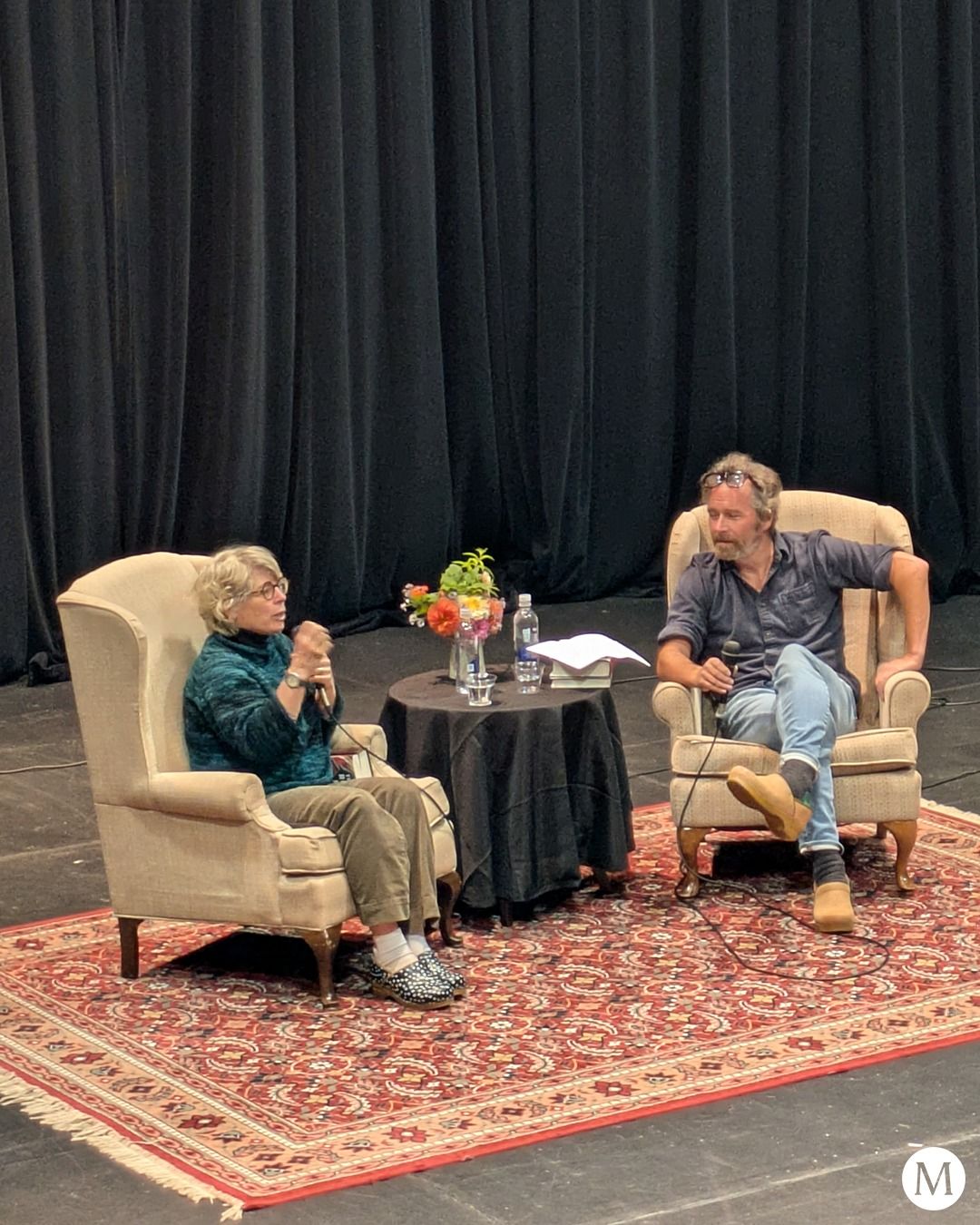
About half the conversation focused on the US Constitution and the historical context of words like ‘amendment.’ (Of course weavers and farmers of the 18th century might have enjoyed a more direct relationship with that word: mending a garment or amending a field with lime were both common). It showcased the power of words.
The second half of the conversation focused on AI, something that Jill wrote about in her latest book “The Artificial State” and also in The New Yorker (“Is AI Above the Law?”). As a historian and legal scholar, she focused on the inadequacy of our laws for handling autonomous machines.
In addition to such weighty topics, we laughed with Dan and Jill about their favorite AI phrases (slopperganger, slopacolypse and slopaganda were mentioned) and touched on lessons from previous technology and economic shifts, namely the Luddite movement. I was able to share a bit about the work I’ve supported at the Center on Rural Innovation, which helps communities across the country be better prepared to engage in the tech economy, including AI and datacenters.
What I loved about the conversation with Jill and Dan was their command of words, of history, and of law. Their expertise helped open up and elevate the dialogue. It made me want to create more rooms like that one.
As I head to Vegas, I’m really interested to know more about the conversations that fellow entrepreneurs, operators, technologists, and investors are having with their own neighbors, families, politicians, and friends. And, most important, how we can come together to address the challenges that are in front of us, not just the opportunities.